Studying biology can feel like you’re constantly behind. The reading never ends, research papers are packed with complex language, and finding trustworthy sources takes longer than writing the assignment itself.
That’s where the right AI tools can make a real difference.
After testing several platforms built specifically to support academic research and studying, I’ve shortlisted the top five AI tools for biology students in 2026.
Each tool brings something unique to the table—whether you’re writing a literature review, reading scientific papers, or preparing for an exam.
Our Top 5 AI Tools for Biology Students
| Tool Name | Best For | Free Plan Available | Starting Price (USD) |
|---|---|---|---|
| Elicit | Literature review research | Yes | Free |
| SciSpace Copilot | Reading and breaking down papers | Yes | $20/month |
| Consensus | Finding evidence-based answers | Yes | $15/month |
| Scite | Citation validation and context | Yes | $10/month |
| Scholarcy | Summarizing papers into flashcards | Yes | $9/month |
Elicit: Best for Literature Reviews
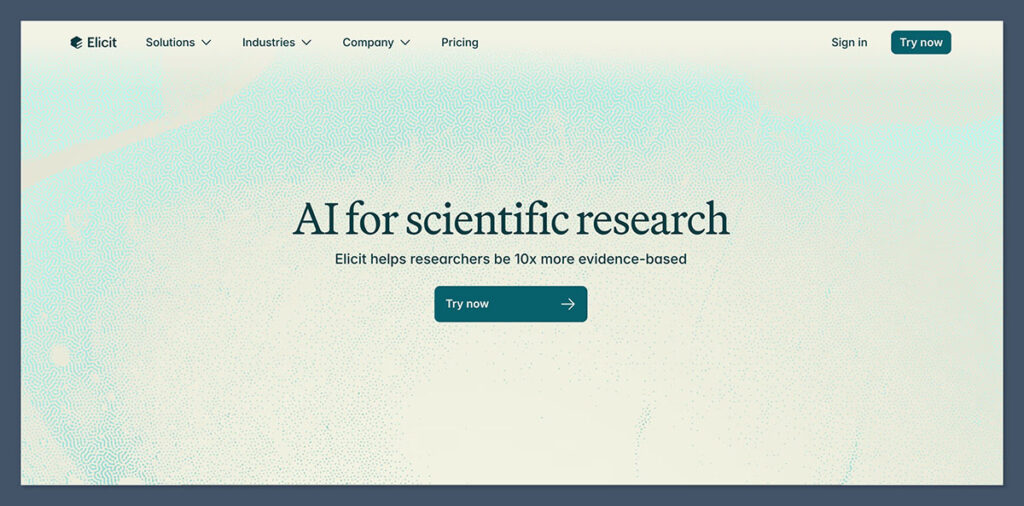
Elicit is a standout AI research assistant when you’re starting any kind of literature-based biology assignment. Whether you’re writing a lab report or a full research proposal, this tool helps you find, screen, and extract data from papers quickly.
Elicit allows you to ask academic questions like:
- “What’s the impact of microplastics on marine life?”
- “Does CRISPR improve genetic disorder outcomes?”
- “How do antibiotics affect gut microbiota in mice?”
Based on your question, Elicit searches a large research database and organizes findings in a table. It extracts core details like:
- Study population
- Sample size
- Intervention
- Outcome
- Summary of the results
- Source links
Elicit Pros
- Excellent for structuring early-stage research
- Avoids irrelevant or outdated studies
- Fully transparent with its sources and summaries
- Easy to reference papers directly with citation-ready output
Elicit Cons
- Doesn’t support full paper uploads
- Works best with well-phrased questions
Bottom Line: If you’re working on a biology project and need fast, evidence-backed research, Elicit helps you build a reading list in minutes—not hours.
SciSpace Copilot: Best for Reading Complex Papers
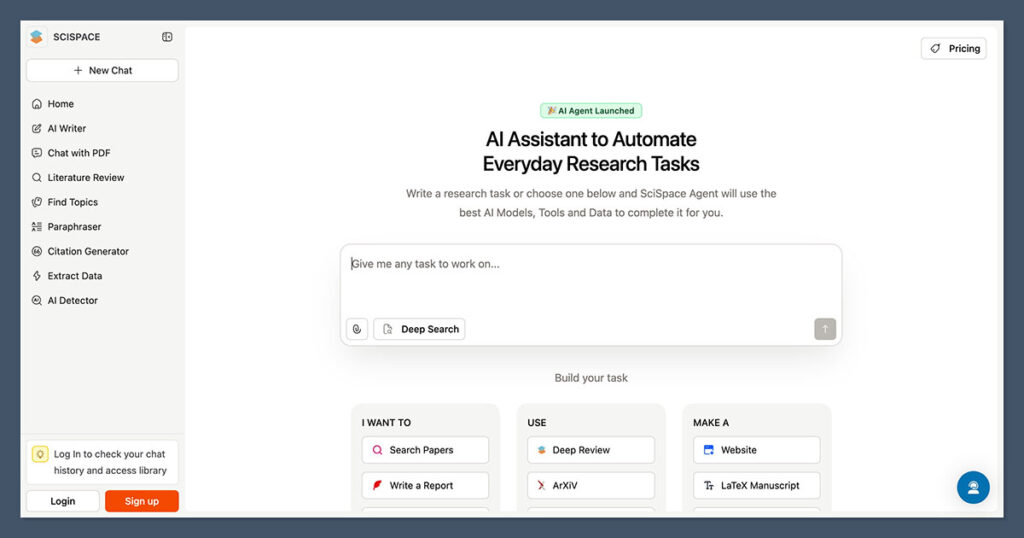
SciSpace Copilot is a paper reading tool built for students who find academic literature tough to process. After uploading a PDF, you can highlight specific sections, ask questions, or get plain-English summaries of key parts.
This is especially helpful for topics like molecular biology, genetics, or pharmacology where papers are packed with jargon, equations, and graphs.
SciSpace Copilot offers:
- Contextual explanations of technical terms
- Table and chart breakdowns
- Help with understanding formulas or calculations
- Section-by-section Q&A style support
SciSpace Pros
- Breaks down biology-heavy terms like “allosteric inhibition” or “epigenetic modification”
- Instant answers while reading papers
- Works offline with local PDFs
- Can handle complicated visuals and figures
SciSpace Cons
- Best value comes from the paid plan
- Some explanations may still require follow-up searching
Bottom Line: If you’re tired of rereading the same paragraph four times and still not getting it, SciSpace Copilot walks you through the paper like a tutor would.
Consensus: Best for Finding Evidence-Based Answers
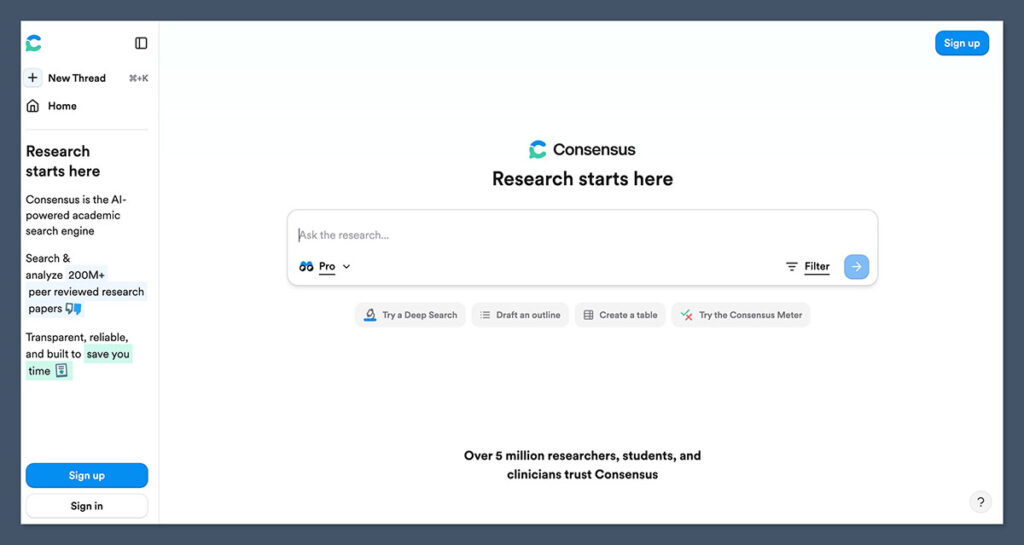
Consensus is the fastest way to answer biology research questions with real evidence. It works like a search engine that only pulls results from peer-reviewed studies.
When you type a question into Consensus, you get:
- A clear yes/no/mixed answer
- A summary of findings from multiple studies
- Links to those studies for further reading
For example, if you’re working on a paper about dietary effects on human health, you could ask:
- “Does omega-3 reduce inflammation?”
- “Is intermittent fasting linked to improved mitochondrial function?”
Consensus gives you an immediate answer and links to the top studies supporting (or refuting) that claim.
Consensus Pros
- Great for narrowing down a research focus
- No fluff or unrelated results
- Transparent sourcing
- Ideal for quick reference before starting deeper reading
Consensus Cons
- May not find enough studies for very niche questions
- Doesn’t replace reading full papers for detail
Bottom Line: Consensus saves hours of research and gives you confidence that your biology argument is built on solid ground.
Scite: Best for Validating Sources and Citations
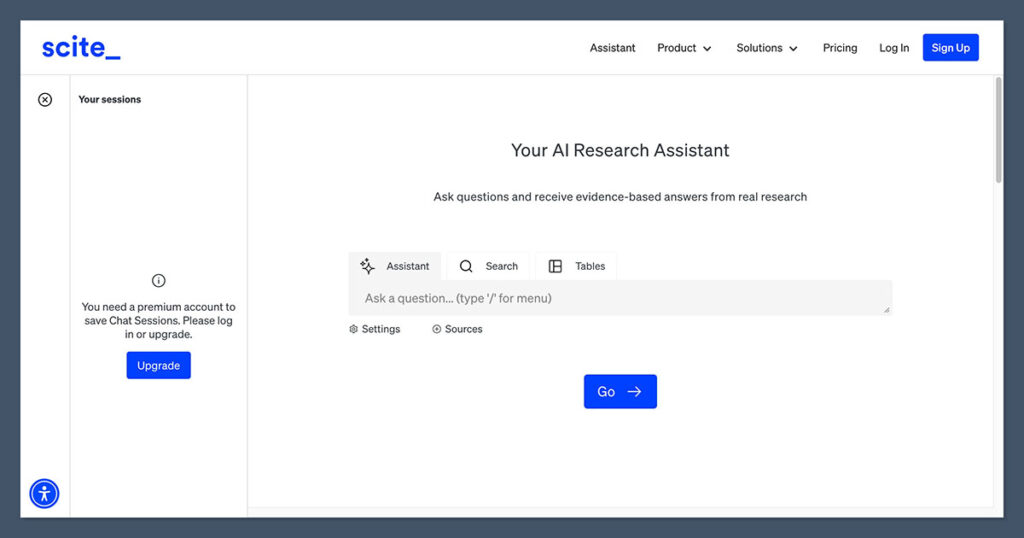
Scite is for students who want to check the strength of their sources before citing them. It shows whether a paper has been supported, contradicted, or just mentioned by others—and includes quotes from those citing papers.
This prevents one of the most common mistakes in biology writing: citing an outdated or debunked study just because it sounds impressive.
Scite gives you:
- A dashboard showing how often a paper has been cited
- Citation context (supporting, mentioning, or contradicting)
- Related papers for deeper reading
- Alerts if a cited study is controversial or weakly supported
Scite Pros
- Saves you from relying on weak or outdated studies
- Builds stronger citations in essays and presentations
- Very easy to use and understand
- Widely used by graduate students and researchers
Scite Cons
- Works best when you already have a paper to check
- Free version is limited in citation history depth
Bottom Line: Before adding that one famous study to your biology paper, check it with Scite. You might find it’s not as trustworthy as you thought.
Scholarcy: Best for Summarizing and Revision
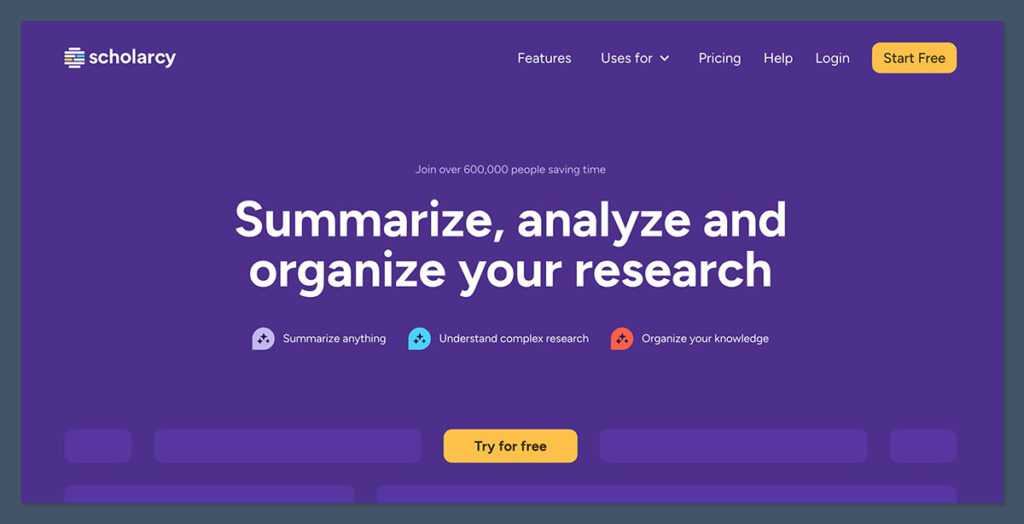
Scholarcy is ideal when you’re short on time and need to extract core takeaways from biology research papers or textbook chapters.
You upload a file, and Scholarcy automatically generates:
- A plain-language summary
- Key points
- Definitions of key terms
- Study highlights
- A flashcard-style breakdown for revision
This is especially helpful during exam periods or when preparing for a group discussion on a specific topic.
Scholarcy Pros
- Turns research into manageable flashcards
- Helps with memory retention for technical content
- Works with chapters, PDFs, or full journal papers
- Very student-friendly and fast
Scholarcy Cons
- Not ideal for deeply technical understanding
- Advanced users may need more than summaries
Bottom Line: Scholarcy helps you review large volumes of biology reading fast. Great for exam prep or lecture follow-ups.
Price Comparison
Here’s how the five AI tools compare in terms of pricing and features:
| Tool Name | Free Plan Available | Paid Plan | Best For |
|---|---|---|---|
| Elicit | Yes | Free | Research planning, lit reviews |
| SciSpace Copilot | Yes | $20/month | Understanding complex papers |
| Consensus | Yes | $15/month | Getting clear, evidence-backed answers |
| Scite | Yes | $10/month | Checking citation validity |
| Scholarcy | Yes | $9/month | Quick summaries and study flashcards |
Most of these tools offer limited free access, with full features unlocked via monthly subscriptions.
Some also provide institutional discounts, so it’s worth checking if your university has a license.
Final Thoughts
These five tools have changed how I approach studying biology. Whether I’m writing a term paper or prepping for an exam, using AI tools helps me save time, reduce confusion, and get to the point faster.
Here’s how I typically use them together:
- I start with Consensus to shape my topic and find a clear direction.
- Then I use Elicit to find and compare relevant research papers.
- Before citing anything, I run my sources through Scite to check if they’re reliable.
- If a paper is too technical, I upload it to SciSpace Copilot to break it down.
- Finally, I review everything using Scholarcy to make sure I understand the key points.
Each tool fills a specific role, and together they streamline the entire study process. For any biology student looking to work smarter, not harder, these tools are well worth exploring.