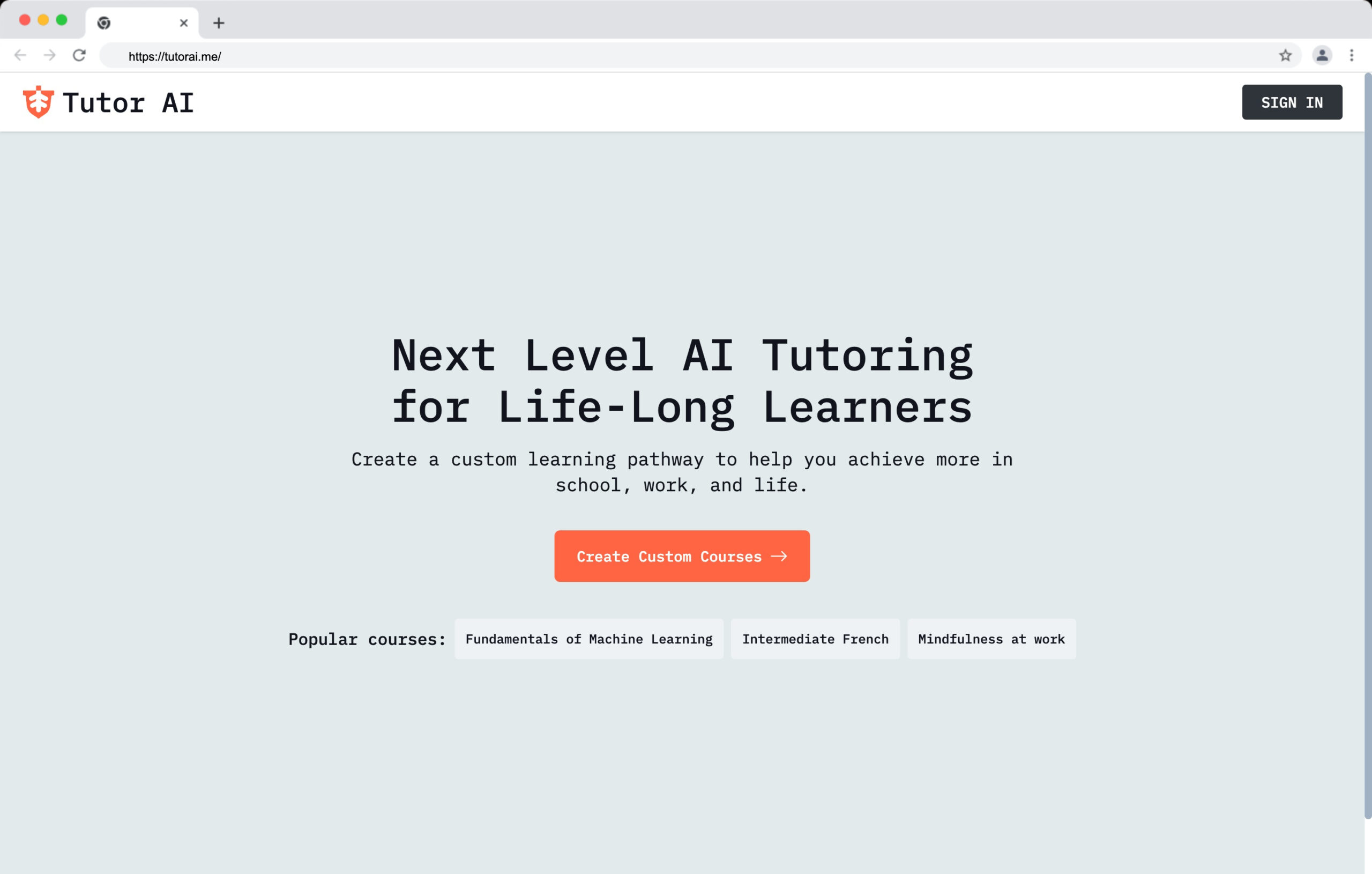
When i first started poking around at how AI could support learning and development, I was totally unprepared for the impact it’s already having. From corporate training to tutoring kids in algebra, AI is not just helping out – it’s actually flipping the script on the way we educate.
In this post, I’ll walk you through what I’ve learned about AI in the real world, and where I think it’s headed.
Whether you’re running an AI tutoring platform, building courses, or just curious about how these smart systems are taking over the classroom or boardroom, there’s plenty to sink your teeth into.
What AI Actually Brings to Learning and Development
People always assume that AI in education means robots replacing teachers – that’s just not the way it’s going down.
What’s actually happening is more interesting and, to be honest, more useful. AI has been showing up in three key areas:
- Personalization
- Scalability
- Efficiency
Let me break those down for you.
1. Making Learning Paths Work for the Individual
One of the biggest issues with traditional learning is that everyone gets treated the same. AI flips that. It adjusts the content to match how each person learns, what they already know, and where they’re struggling with.
Here’s how that plays out in the real world:
- A student takes a super short diagnostic quiz to see where they’re at.
- The AI takes a look at their weak spots and adjusts the next lessons on the fly.
- As the student keeps going, the system keeps tweaking the path in real-time to make sure they get exactly what they need.
I’ve had the chance to use systems like Sana Labs and Duolingo Max, and the difference in engagement is like night and day.
Learners are way more invested when they’re not stuck in generic content.
2. Real Feedback and Testing That Actually Works
AI makes feedback lightning fast – something traditional learning just can’t match. Teachers take forever to grade, while AI does it in seconds.
Here’s what that looks like in actual platforms:
| Feature | Traditional Systems | AI-Enhanced Systems |
| Feedback Speed | 24–72 hours | Instant |
| Assessment Adaptability | Fixed quizzes | Dynamic based on performance |
| Retention Tracking | Manual | Automatic & data-driven |
This constant feedback loop is a game-changer – it lets learners course-correct super fast, which speeds up how quickly they pick up new skills or concepts.
3. Delivering Content That’s Gonna Reach the Learner
Another huge win is how AI decides what to deliver next.
Using algorithms like the ones used by Netflix or Spotify, AI tutoring tools can predict what lesson, video, or exercise will help the learner most right now.
Think about how powerful that is for:
- Cutting dropout rates in online courses
- Keeping corporate employees engaged with training
- Helping students actually finish what they start
That level of precision just wasn’t possible before.
AI Tutors and Virtual Coaches – Are They Effective?
One of the big questions I asked myself was – can an AI really replace or support a human tutor? After giving a few systems a spin, I can tell you this: they’re not perfect, but they’re already getting the job done.
Here’s what I found when comparing AI tutors to traditional ones:
| Criteria | Human Tutor | AI Tutor |
| Availability | Limited hours | 24/7 |
| Personalization | Manual adjustment | Fully adaptive |
| Cost | $40–$150/hr | Often free or <$20/mo |
| Feedback Speed | Delayed | Instant |
Of course, there are areas where a human still shines – especially with emotional nuance and deep discussion.
But when it comes to routine explanations, test prep, or repetitive practice? AI is doing a better job in many cases.
The best use cases for AI tutors:
- Language learning (use Duolingo Max)
- Math support and step-by-step logic training
- SAT/ACT prep using platforms like Khanmigo
- Coding and technical interview prep
That said, I’ve seen the best results when AI is used alongside human guidance, rather than instead of it.
How Companies Are Using AI to Upskill Employees
It’s not just classrooms – companies are pouring money into AI to train employees faster and more efficiently.
I’ve worked with clients in tech, finance, and healthcare who are all using AI for onboarding, compliance, and professional development.
Here’s why they’re all in:
- Speed: What used to take 8 weeks of classroom training now takes 2–3 weeks with AI-supported platforms.
- Cost savings: Companies save millions by reducing instructor hours and classroom overhead.
- Consistency: AI ensures every learner gets the same quality of content and feedback.
Let’s look at a real example.
PwC Case Study
PwC trained 275,000 employees using AI-supported upskilling tools. They reported over $1.2 billion in training cost savings while boosting employee retention and satisfaction. The AI helped identify who needed what training and delivered it more effectively than any previous method.
Sana Labs Example
Sana uses AI to personalize learning at scale. Clients report 70% higher retention rates when switching from generic learning management systems to AI-driven ones.
Creating AI-Driven Content and Courses
Building courses or managing an AI tutoring platform is a big job – and you’re probably also creating a ton of content as part of that. Luckily, AI can help out here too.
Tools that can speed up course creation:
- ChatGPT – generates outlines, quizzes, explanations and FAQs all pretty quickly
- Mindsmith – turns simple prompts into full modules or lessons in a flash
- Synthesia – creates AI-powered training videos in lots of different languages
- Descript – lets you record, edit and publish video content in no time
Here’s how I’ve managed to cut course creation time in half with AI:
- Outline the topic using AI – and refine it as needed
- Get AI to write draft copy for each module – saving me a ton of time
- Auto-generate quizzes based on the content – so I don’t have to do it all by hand
- Use AI video tools to churn out bite-sized training videos – they’re perfect for short, focused learning
- Package it all up into an LMS or platform like Kajabi, Thinkific, or LearnWorlds – and I’m done
With this setup, a course that used to take 3 months now takes about a week to build and launch. It’s night and day.
Why this matters for AI tutoring platforms:
- You can create super-targeted courses based on what you know about your students
- You can A/B test different versions of lessons automatically – that’s huge
- You can easily add translations and localization, with minimal extra effort
It’s not just about teaching better – it’s about scaling up what you do, and doing it better.
Data and Privacy: What You Need to Watch Out For
I love what AI is doing for education, but there are some real concerns here too. If you’re using AI in tutoring or corporate training, you need to think carefully about:
- Data privacy: AI systems collect a ton of learner data – which is great, but also pretty tricky to handle
- Bias in algorithms: Some AI models might unintentionally favour certain groups or learning styles
- Over-reliance: Replacing too much human interaction with AI can really undermine motivation and learning depth
Here’s what I reckon you should do:
| Issue | Mitigation Strategy |
| Data security | Use GDPR/FERPA-compliant platforms |
| Algorithm bias | Regular audits of AI performance |
| Human balance | Combine AI with live tutors/coaches |
| Transparency | Let learners know when AI is being used |
Not getting on top of this isn’t just about keeping the law – it also builds trust with your users and learners.
The Future of AI in Education: Where It’s Heading
We’re still pretty early on, but it’s pretty clear that AI is going to be a core part of how learning and development works from now on.
Key trends to watch:
- Hyper-personalised learning at scale – that’s the holy grail of ed-tech
- Voice AI tutors that have real conversations with learners
- Real-time translation to break down language barriers
- Skills-based learning paths powered by predictive analytics – that way learners get exactly what they need
- Micro-certifications that adapt to job market trends – super useful for lifelong learners
I think we’re going to see a shift away from degrees and towards more skills-based, AI-supported learning journeys. Learners will pick up exactly what they need, when they need it – and AI will help them get there.
That’s already happening in places like:
- Duolingo Max
- LinkedIn Learning
- Google Career Certificates
- Amazon’s upskilling programs using their own AI tutors
As the tech gets better, even small tutoring platforms and solo course creators will be able to tap into this power.
Final Thoughts
AI in learning and development isn’t just hype – it’s actually happening now. And if you’re not using it, you’re going to get left behind.
Whether you’re running a tutoring business, creating courses, or managing L&D at a company, AI can help you:
- Teach better
- Train faster
- Save cash
- Reach more people
I use AI every day to make what I do better. From writing content to teaching and scaling courses, it’s become a vital part of my workflow. The best bit? We’re just scratching the surface.
If you’re in the learning space and not exploring AI yet – now’s the time.